You're eyeing Hostinger for your website but need to figure out the Hostinger price in Bangladesh and how to pay without a dual-currency card. It's a common hurdle when international services don't immediately align with local payment options. We've looked into the most effective ways to bridge this gap, so you don't get stuck.
Our research indicates that while Hostinger lists prices in USD, several practical methods exist for users in Bangladesh to complete transactions. These often involve intermediary services or specific card types designed for international online purchases. This guide will walk you through those solutions.
Quick Answer
You can pay for Hostinger in Bangladesh without a dual-currency card by using international digital wallets like Skrill or Neteller. Alternatively, acquiring a virtual international card from a local bank is a reliable option. Direct local payment gateways may appear at checkout.
These methods bypass the need for a physical dual-currency card and handle currency conversion.
The Challenge: Paying for Hostinger in Bangladesh Without a Dual-Currency Card
When you browse Hostinger's offerings, you'll see prices clearly in US Dollars (USD). For many in Bangladesh, this presents an immediate roadblock if their primary bank cards are only enabled for local transactions. This isn't about Hostinger being inaccessible, but rather about the mechanics of international online payments and how they interface with local banking systems and currency regulations.
The core issue is that simply having a standard Bangladeshi Taka (BDT) denominated card might not be sufficient for direct international purchases on platforms that only accept foreign currency. This often leads to confusion about how to proceed without incurring unexpected fees or being unable to complete the purchase at all.
Understanding Hostinger's USD Pricing Model
According to Hostinger's official pricing information, all plans are displayed and billed in USD. This standard practice among many global SaaS and service providers simplifies their operations but requires users in different countries to manage currency conversion. As of 2026, this model remains consistent.
The advertised price is the base rate before any additional charges like currency conversion fees or international transaction surcharges from your bank or payment provider are applied. Understanding this is the first step in calculating the actual cost. The range of hosting plans impacts the final USD amount.
Why Your Local Card Might Not Work Directly
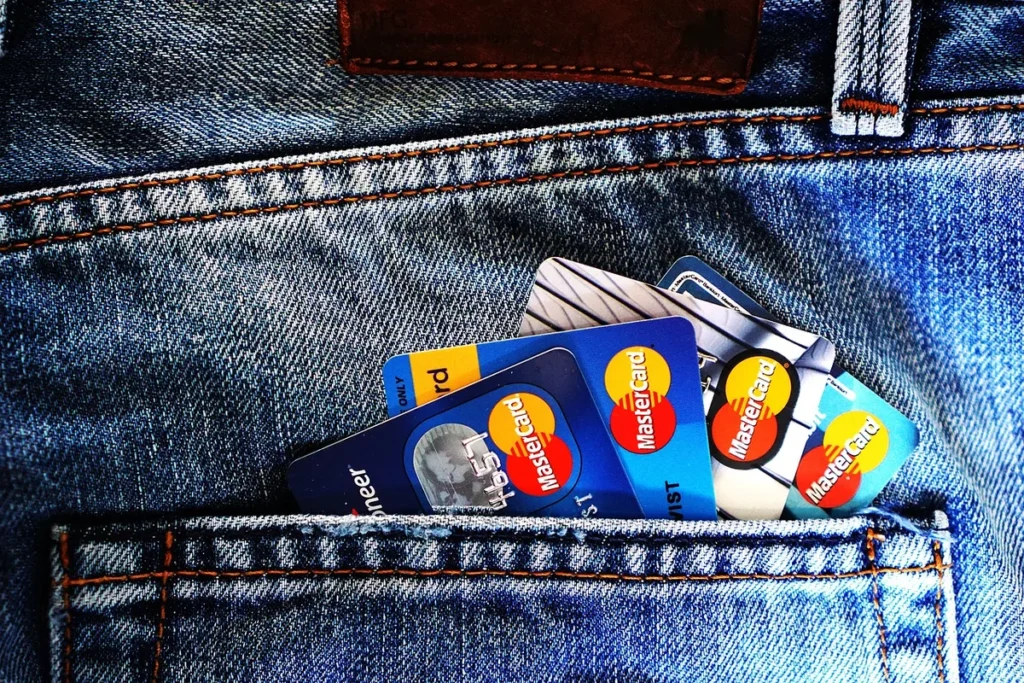
Most standard debit or credit cards issued by Bangladeshi banks are primarily designed for domestic transactions within Bangladesh. They operate using the local payment network and are denominated in BDT. Attempting to use such a card directly on a foreign platform that requires USD or another foreign currency will typically result in a decline.
This rejection occurs because the transaction cannot be processed through the local network, and the card lacks authorization for international currency exchanges. Banks often have specific "international transaction enablement" features or require cards linked to foreign currency accounts for such purchases.
Exploring Your Payment Options: The Workflows

Image source: Pixabay / Rabeebur (Pixabay Content License)
Since direct payment with a regular BDT card isn't usually an option, you'll need to explore alternative payment pathways. These aren't about finding a loophole but rather understanding how to use services that act as bridges between your local currency and the USD Hostinger requires. Each method has its own steps, potential fees, and best-use scenarios.
We've identified three primary workflows that effectively allow users in Bangladesh to pay for services like Hostinger without needing a pre-existing dual-currency card. These are designed to accommodate different user preferences and accessibility to local financial tools.
Option 1: Using International Digital Wallets
International digital wallets, such as Skrill or Neteller, serve as popular intermediaries for online payments. You can fund these wallets using various methods available in Bangladesh, including your local bank card or bank transfers, and then use the wallet's balance to pay for Hostinger.
How to Fund and Use Wallets Like Skrill or Neteller
The process typically involves creating an account with your chosen digital wallet service. Once registered, you'll navigate to the 'add funds' or 'deposit' section. Here, you can often select your local Bangladeshi bank card or a bank transfer option.
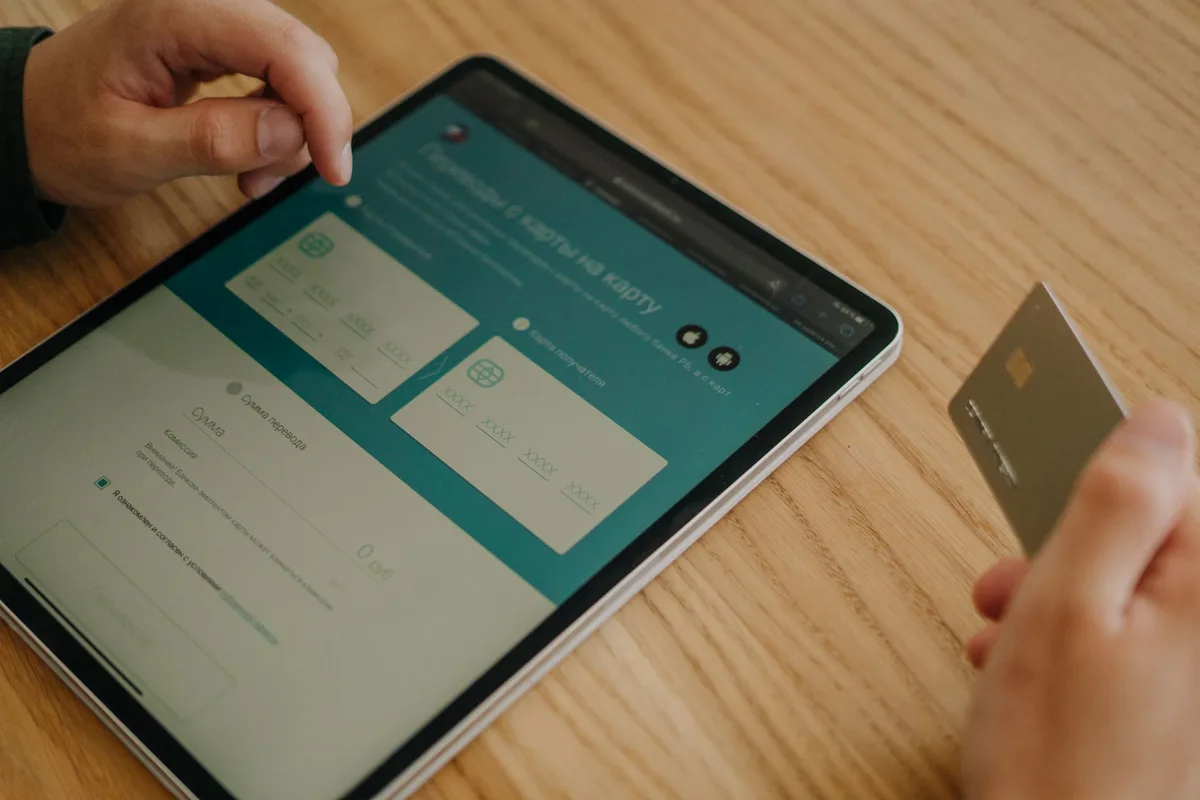
Image source: Pexels / Tima Miroshnichenko (Pexels License)
After successfully adding funds to your wallet in BDT, the service converts it to the required currency (often USD) and holds it in your digital wallet balance. When you proceed to checkout on Hostinger's website, you can select the digital wallet as your payment method, authorizing the transaction from your wallet balance.
Potential Fees and Considerations
It's crucial to be aware that these digital wallet services may impose their own fees. These can include charges for depositing funds from your bank, currency conversion fees when you add money, and sometimes even fees for transactions or withdrawals. For instance, Skrill's deposit fees can vary based on the method used.
Reviewing the specific fee structure for your chosen wallet and region is essential before committing. This ensures you have a clear picture of the total cost, beyond just Hostinger's base price.
Option 2: Getting a Virtual International Card
A virtual international card functions like a physical credit or debit card but exists only digitally, often linked to a mobile app. Many Bangladeshi banks and fintech companies now offer these cards specifically for international online purchases, providing a convenient alternative to traditional dual-currency cards.
What is a Virtual Card and How to Get One in Bangladesh
A virtual international card is essentially an electronic payment instrument that allows you to make purchases online in foreign currencies. You typically apply for one through your local bank's mobile app or online banking portal. The process usually involves verification and minimum balance requirements.
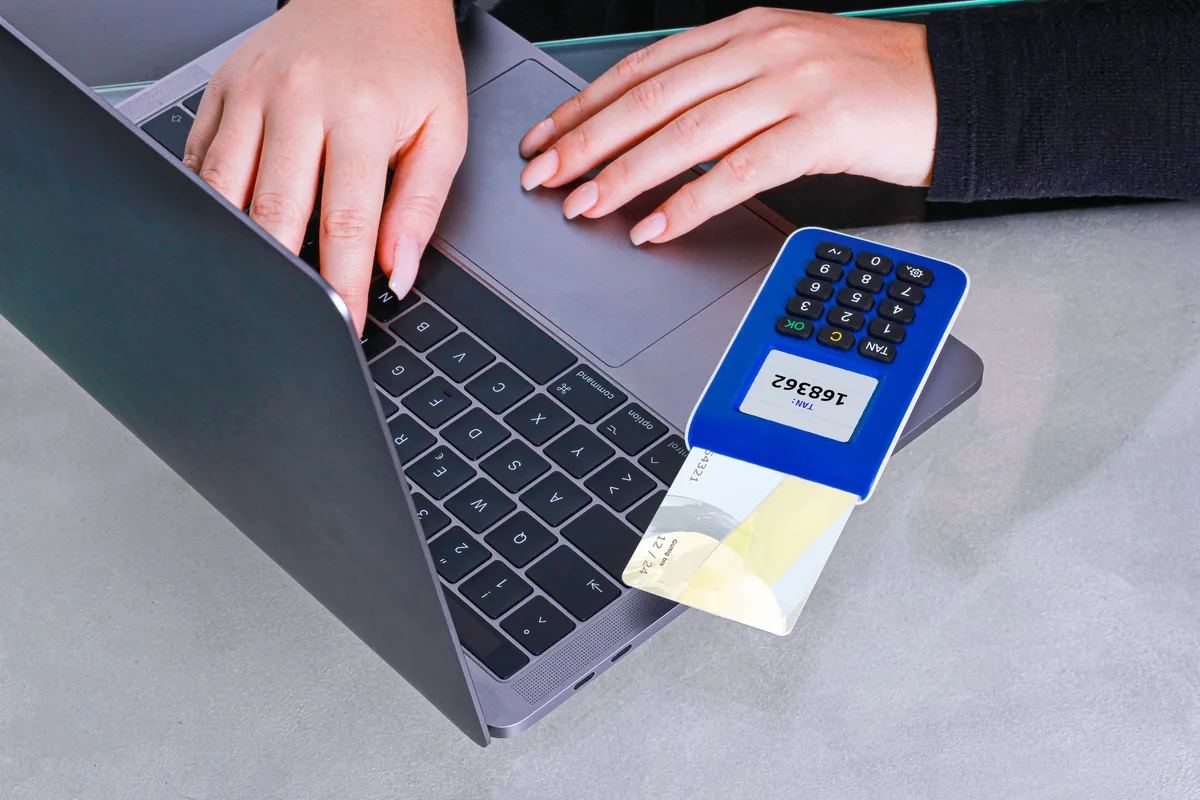
Image source: Pexels / REINER SCT (Pexels License)
Once approved, you can load BDT onto the virtual card. The card then facilitates transactions in USD or other foreign currencies. These virtual cards often come with a set of card details (number, expiry date, CVV) that you use directly on Hostinger's checkout page, just as you would with a physical card.
Using the Virtual Card with Hostinger
When you reach the payment stage on Hostinger's website, you will select the option to pay by card. Enter the details of your virtual international card into the respective fields. The transaction will be processed as an international payment, with the BDT being debited from your linked account and converted to USD by the issuing bank or service.
Option 3: Direct Local Payment Gateways (If Available)
While less common for international services like Hostinger, some platforms integrate directly with local payment gateways. This means you might see an option at checkout to pay via a service popular in Bangladesh, such as bKash or specific bank transfer portals.
Checking Hostinger's Checkout for Local Bangladesh Options
As you proceed through Hostinger's purchase process, pay close attention to the final payment selection screen. This is where any available direct integrations for Bangladesh would typically be listed alongside standard options like Visa or Mastercard.
It's worth noting that these direct gateways are not always present, and their availability can change. If you don't see a local option, it means you'll need to rely on the alternative methods discussed previously.
Step-by-Step: Choosing and Completing Your Payment
Deciding which payment method to use involves a quick evaluation of your situation. The goal is to find the most cost-effective and seamless option for you. Think about what's easier to set up and manage for your ongoing needs.
Before You Pay: Checking for Hidden Fees
Always anticipate potential fees beyond the advertised hosting price. This includes currency conversion charges from your bank or chosen payment service, and any transaction fees imposed by intermediaries like digital wallets. Understanding these upfront prevents surprises.
During Checkout: Selecting Your Method
When you're ready, navigate to Hostinger's checkout. If you've chosen to use a digital wallet, select that option and follow the prompts to log in and authorize. If you opted for a virtual card, choose the card payment option and enter your virtual card details.
After Payment: Confirmation and Next Steps
Once the transaction is successful, you should receive an immediate confirmation from Hostinger, usually via email. This email will contain your account details and next steps for setting up your hosting.
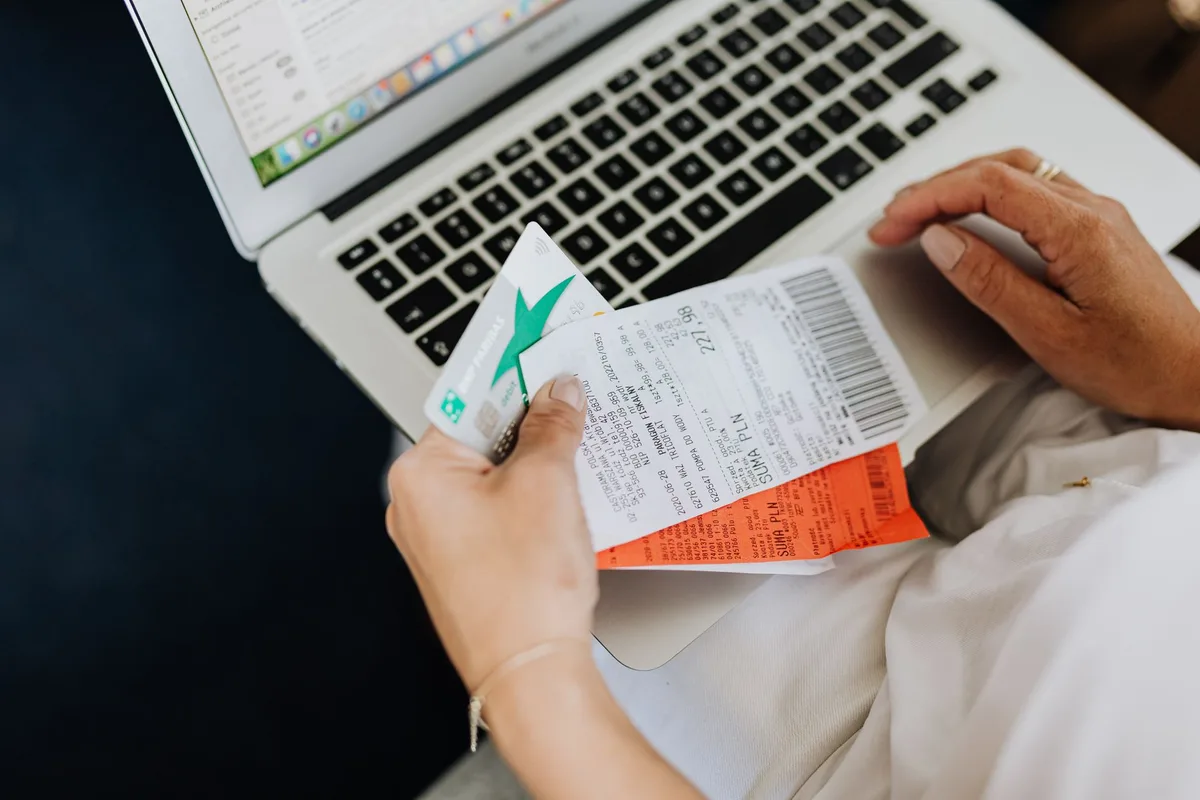
Image source: Pexels / www.kaboompics.com (Pexels License)
If you used a digital wallet or virtual card, ensure you also check for confirmations from those services regarding the deduction of funds. Keep this confirmation handy for your records.
Common Pitfalls and Mistakes to Avoid
One of the most frequent mistakes is not checking the exchange rate and associated fees before confirming a payment. Relying solely on the USD price can lead to overspending if the conversion rate is unfavorable or if hidden bank charges apply.
Another error is assuming a local BDT card will work without verification. Always check with your bank first or carefully examine the payment options on Hostinger’s site to avoid failed transactions and potential frustration during checkout.
Understanding the True Cost: Beyond the Advertised Price
The advertised price for Hostinger plans is just the starting point. For users in Bangladesh, the final amount debited will include the base USD price plus any currency conversion fees charged by your bank or the payment intermediary, as well as potential international transaction fees.
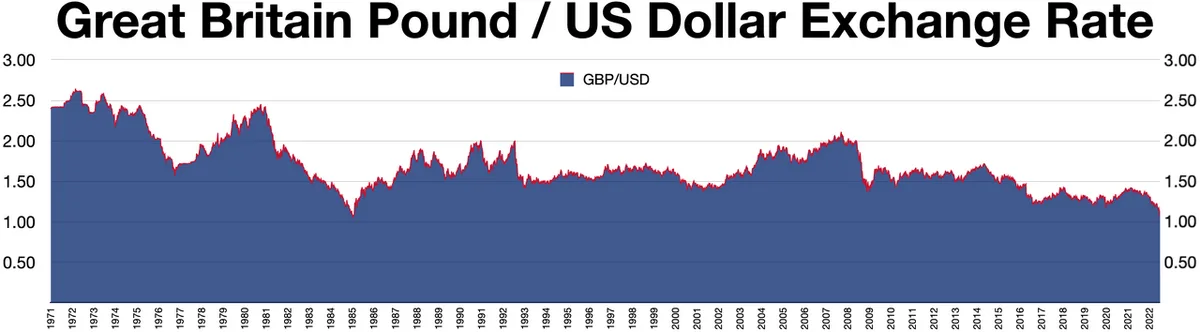
Image source: Wikimedia Commons / Wikideas1
For example, a $2.99/month plan might end up costing more depending on the day's exchange rate and your bank's specific charges. This is why exploring options like virtual cards or digital wallets, which might have clearer fee structures, can be beneficial in forecasting your actual expenditure.
Expert Tips for Smooth Hostinger Payments in Bangladesh
Keep your primary funding source (like your local bank account) readily accessible. Whether you're topping up a digital wallet or loading a virtual card, having funds available makes the process quick. Also, check Hostinger’s current promotions, sometimes they offer discounts that can offset some of the conversion costs.
Always ensure your chosen payment method is properly verified and has sufficient funds. This proactive step prevents any last-minute payment failures that could delay your website setup. Familiarize yourself with the customer support channels for both Hostinger and your chosen payment service, just in case.