
Image source: Pexels / RDNE Stock project (Pexels License)
When you're launching a website, choosing the right hosting provider is a big decision that affects speed, reliability, and your budget. Understanding the hostinger vs cloudways performance and price difference is crucial for making an informed choice. Both offer solutions, but they cater to different needs and priorities.
In our research, comparing these two platforms reveals distinct strengths. Hostinger excels in affordability and ease of use for beginners, while Cloudways offers greater flexibility and raw performance by leveraging top-tier cloud infrastructure. As of 2026, the landscape continues to evolve, but these core differences remain.
Quick Answer: Hostinger vs Cloudways Performance and Price
Hostinger offers the lowest entry prices, especially for shared hosting. Cloudways provides higher performance through dedicated cloud server resources. Hostinger's basic plans are budget-friendly starter options.
Cloudways costs more initially but scales efficiently for high-traffic sites. Choose Hostinger for cost savings on simple sites. Select Cloudways for speed, control, and growth.
How Hostinger Works: Speed and Simplicity on a Budget
Hostinger makes web hosting accessible and affordable. They manage their own infrastructure, offering plans from basic shared hosting to more powerful VPS and dedicated servers. Their primary focus is on a user-friendly experience with competitive pricing, making it a popular choice for individuals and small businesses getting started.
Image source: Pexels / weCare Media (Pexels License)
Hostinger's platform includes features like SSD storage and custom tools like their hPanel control panel. These are designed for easy navigation. Performance on their shared plans is good for moderate traffic.
Their VPS options offer dedicated resources for more demanding sites.
Hostinger Features and Specs
Hostinger's features vary across its plan tiers, but common offerings include:
- SSD Storage: Ensures faster data read/write speeds than traditional HDDs.
- hPanel Control Panel: A custom, intuitive interface for managing domains, files, databases, and email.
- Website Builder: Included with many plans for easy drag-and-drop website creation.
- Free SSL Certificate: Essential for website security and SEO.
- Global Data Centers: Multiple server locations to choose from.
- LiteSpeed Web Server: Often used on higher-tier plans for better performance.
Hostinger Pricing Tiers and What They Mean
Hostinger's pricing is a major draw, particularly introductory offers on shared hosting. These plans can be incredibly cheap, sometimes starting at just $1.99 per month with multi-year sign-ups.
- Shared Hosting: The most budget-friendly option, suitable for low-traffic websites. Prices start extremely low with long-term commitments but renew higher.
- Cloud Hosting: Offers more dedicated resources and better performance than shared plans.
- VPS Hosting: Virtual Private Servers provide dedicated resources and more control, ideal for growing websites.
- Managed Hosting: Solutions optimized for specific platforms like WordPress.
The advertised "per month" price for Hostinger usually requires an upfront payment for 1, 2, or 4 years. Month-to-month billing is available but costs significantly more. Renewal rates after the initial term also increase.
Hostinger: Pros and Cons for Your Wallet and Your Site
Hostinger offers advantages, especially for budget-conscious users, but it has trade-offs.
Pros:
- Unbeatable Entry-Level Pricing: Especially for shared hosting.
- User-Friendly Interface: hPanel is designed for ease of use.
- Good Performance for Price: Offers solid speed for its cost bracket.
- All-in-One Solution: Includes website builder and essential tools.
Cons:
- Long-Term Commitments Required for Low Prices: Upfront payments can be substantial.
- Higher Renewal Rates: Expect price increases after the initial term.
- Shared Hosting Limitations: Performance can be affected by other users on the same server.
- Less Advanced Customization: Compared to platforms like Cloudways.
How Cloudways Works: Power and Flexibility in the Cloud
Cloudways acts as a managed hosting platform built on infrastructure from major cloud providers like AWS, GCP, DigitalOcean, Vultr, and Linode. They provide a management layer that simplifies deploying and maintaining powerful cloud servers. You get access to scalable, high-performance cloud resources without needing deep technical expertise.

Image source: Pexels / Digital Buggu (Pexels License)
Cloudways handles server setup, security patching, monitoring, and backups. This lets users focus on their applications and websites. The platform is designed for flexibility, allowing users to choose their preferred cloud provider and easily scale server resources.
Cloudways Features and Infrastructure
Cloudways offers features to simplify cloud hosting management:
- Choice of Cloud Providers: Select servers from AWS, GCP, DigitalOcean, Vultr, or Linode.
- Managed Application Hosting: Optimized environments for WordPress, Magento, and Laravel.
- Scalable Infrastructure: Easily upgrade server RAM, CPU, and storage.
- Advanced Caching: Built-in support for Varnish, Redis, and Memcached for speed.
- Security Features: Free SSL certificates, firewalls, and regular security patching.
- Staging Environments: Create site copies to test changes before going live.
- 24/7/365 Expert Support: Available across all plans.
Cloudways Pricing: Pay for What You Get
Cloudways pricing is transparent, based on the chosen cloud provider, server size, and resources. It costs more than entry-level shared hosting but offers more value for performance users.
- Tiered Server Plans: Plans start with small servers (e.g., 1GB RAM from DigitalOcean) around $10-14 per month.
- Pay-As-You-Go or Fixed Monthly: Choose a flexible payment model or a fixed monthly cost.
- Scalable Resources: Increasing server size increases your monthly cost predictably.
- No Long-Term Contracts: Generally, you can cancel with 30 days' notice.
The cost includes the underlying cloud infrastructure plus Cloudways' management layer, security, and support.
Cloudways: Pros and Cons for Performance Seekers
Cloudways is strong for serious website owners prioritizing performance and scalability.
Pros:
- Superior Performance and Scalability: Leverages powerful cloud infrastructure.
- Flexibility in Provider Choice: Select your preferred cloud provider.
- User-Friendly Management: Simplifies complex cloud server management.
- No Long-Term Lock-in: Flexible payment options.
- Robust Security Features: Comprehensive security included.
Cons:
- Higher Starting Price: More expensive than Hostinger's entry-level shared plans.
- Can be Overkill for Simple Sites: May be more power than a small website needs.
- Requires Some Technical Understanding: Familiarity with server concepts is beneficial.
Performance Comparison: Speed Test for Your Website
Website performance is critical; milliseconds matter. A slow site frustrates visitors and harms search rankings. Both Hostinger and Cloudways aim for speed, but their different architectures lead to distinct performance characteristics.
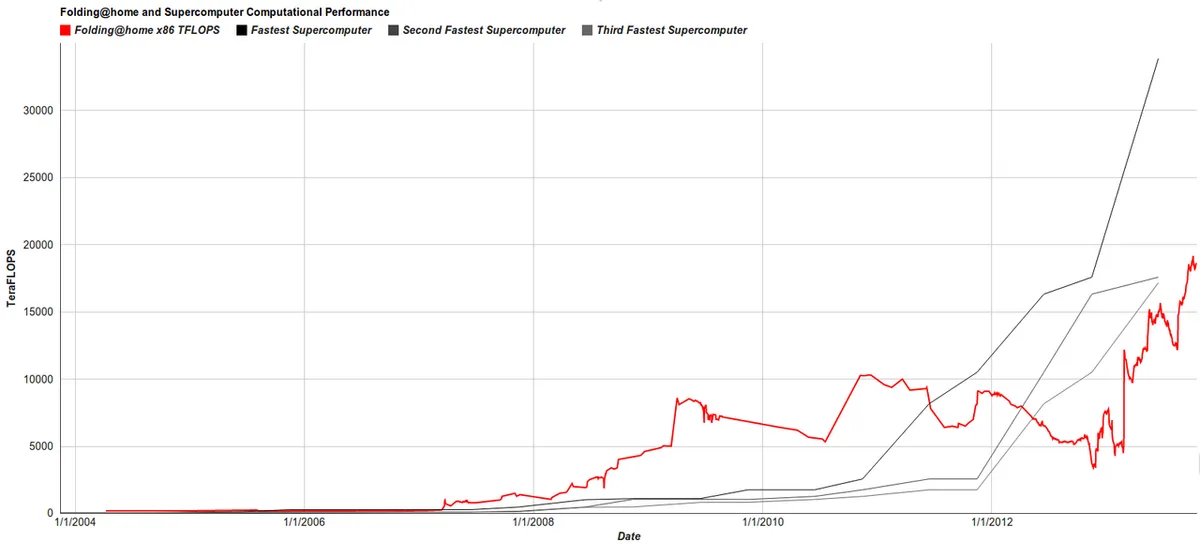
Image source: Wikimedia Commons / Jesse V. (CC BY-SA)
Hostinger, especially on higher-tier VPS and cloud plans, offers competitive speeds. They use SSD storage and their own optimizations. However, on shared hosting, performance can sometimes be affected by other sites on the same server.
Cloudways is built on powerful cloud infrastructure designed for speed and consistency. Choosing a server location near your target audience reduces latency. Their support for advanced caching mechanisms like Varnish, Redis, and Memcached can dramatically accelerate dynamic websites.
This makes it ideal for applications and high-traffic sites needing peak performance.
Price Comparison: Unpacking the Costs Over Time
Understanding Hostinger and Cloudways pricing models is key to finding the most cost-effective solution.

Image source: Pixabay / Tumisu (Pixabay Content License)
Hostinger's pricing structure uses aggressive introductory offers for longer-term commitments, mainly on shared and basic cloud plans. For example, a shared plan might be advertised at $1.99/month with a multi-year commitment. Renewal rates increase significantly afterward, potentially to $6.99-$11.99/month or more.
Their VPS plans also have competitive entry pricing but follow a similar pattern.
Cloudways offers a more predictable, scaled pricing based on server resources. Basic plans start around $10-14 per month and increase as you scale server power or choose more expensive cloud providers like AWS or GCP. There's typically no need for long-term upfront payments, offering flexibility.
This approach means costs grow with your website's demands, providing a clearer expenditure picture for established or growing sites.
Who Wins? Matching Your Needs to the Right Host
Deciding between Hostinger and Cloudways depends on your specific website needs, technical comfort, and budget. Both platforms are reputable but cater to different user profiles and growth curves. Evaluating the best fit involves looking at your current situation and future goals.
If you're starting with a simple blog or small business website, and budget is your top concern, Hostinger's low introductory pricing for shared hosting is hard to beat. It offers a straightforward, managed experience requiring minimal technical know-how to get started.
Best for Tight Budgets: Hostinger
Hostinger wins if keeping initial hosting costs low is your priority. Their shared hosting plans are among the cheapest available, especially with longer commitments. This makes it an excellent entry point for personal projects, hobby blogs, or brand-new businesses.
A basic Hostinger shared plan might cost under $2 per month with a 4-year commitment, allowing you to establish an online presence affordably. The tradeoff is that renewal rates will increase, and performance, while good for the price, doesn't match dedicated cloud power.
Best for Scalability and Performance: Cloudways
Cloudways shines for users anticipating growth, requiring high uptime, and prioritizing consistent website speed. By leveraging leading cloud providers, Cloudways offers robust, scalable infrastructure. You can easily upgrade server resources, RAM, CPU, storage, with a few clicks as traffic increases, ensuring your site remains fast and responsive.
Their platform handles demanding applications and high-traffic sites. If your business relies on a fast, reliable online presence, the higher initial cost of Cloudways is a worthwhile investment for peace of mind and sustained performance.
Best for Beginners vs. Developers
For absolute beginners seeking minimal technical hassle, Hostinger's intuitive hPanel and included website builder offer a simple, all-in-one solution. It's designed to get a site online quickly without needing to understand server configurations.
Developers and agencies often prefer Cloudways. While managed, it offers more flexibility and control over server environments. This allows for custom configurations, advanced caching setups, and efficient deployment of various applications, making it a powerful platform for those needing more technical freedom.