Choosing the right web hosting provider can feel like a maze, especially when you're trying to make sense of which one truly offers the best value and performance. If you're wondering why Hostinger is better than GoDaddy in 2026, you're not alone. Many users are looking for that sweet spot between affordability, speed, and solid support to get their online presence off the ground or elevate it.
We've dug into the specifics to help you see the differences clearly. When looking at hosting providers, aggregate reviews and manufacturer specifications consistently point to key metrics like server uptime and website loading speeds, often measured in milliseconds. Understanding these technical traits sets the stage for a more informed decision about your hosting needs.
Quick Answer
Hostinger often proves better than GoDaddy in 2026 due to superior speed and uptime. Hostinger's hPanel is more intuitive. GoDaddy has higher renewal rates.
Hostinger offers better value.
Understanding the Core of Web Hosting: What You Actually Need
Web hosting is essentially the service that makes your website visible on the internet. When you sign up for a hosting plan, you're renting space on a server where your website's files live. This server is always connected, allowing anyone to access your site by typing in your domain name.
For most people starting out or running small to medium-sized websites, the core needs revolve around reliability, speed, and ease of use. You want a host that keeps your site online consistently, loads pages quickly for visitors, and offers a control panel that doesn't require an IT degree to navigate. Beyond that, customer support and how easily you can scale as your site grows are crucial factors.
Shared Hosting: The Go-To for Many
Shared hosting is the most common and typically the most affordable type of web hosting. It's like living in an apartment building, you share the server's resources (like CPU, RAM, and storage space) with other websites. This makes it cost-effective for individuals and small businesses with moderate traffic.
Because you're sharing resources, performance can sometimes be affected by your "neighbors." However, reputable providers manage this well, ensuring that one site's heavy traffic doesn't cripple others. It's an excellent starting point for blogs, personal portfolios, and small business websites that aren't expecting massive surges in visitors.
WordPress Hosting: Optimized for Speed and Ease
WordPress powers a huge portion of the internet, and many hosting providers offer specialized WordPress hosting plans. These plans come pre-configured for WordPress, often including features like automatic updates, enhanced security, and performance optimizations specifically tuned for the popular content management system.
This type of hosting can simplify management significantly. Instead of you manually installing WordPress and keeping it updated, the host handles much of that technical heavy lifting. It means you can focus more on creating content and growing your audience, rather than worrying about the underlying infrastructure.
Digging into the Features: What Each Host Offers
When we talk about web hosting, the "features" are the tangible tools and services that come with your plan. These range from the power and speed of the servers to the user-friendliness of the control panel and the quality of customer support. Understanding these details is key to choosing a provider that aligns with your technical comfort level and your website's specific needs.

Image source: Pixabay / viarami (Pixabay Content License)
Hostinger's Toolkit: Speed, Simplicity, and Support
Hostinger has built a reputation for offering robust hosting solutions at competitive prices. Their focus often leans towards performance and a streamlined user experience. This approach aims to make professional-grade hosting accessible to a wider audience, including beginners and small businesses.
Key aspects of their offering include custom-built tools and a commitment to fast servers, which are critical for user engagement and search engine rankings. Aggregate reviews often highlight their value proposition, noting that you get a lot of power for your money, especially considering features like free SSL certificates and often free domain registration with longer-term plans.
hPanel: A User-Friendly Control Panel
Hostinger uses its own custom-built control panel called hPanel. This is a significant differentiator from many hosts that rely on the more dated cPanel. hPanel is designed with a modern, intuitive interface that simplifies common tasks like managing files, databases, email accounts, and installing applications like WordPress.
Its clean layout and straightforward navigation aim to reduce the learning curve for new users. You'll find features clearly labeled, and common actions are usually just a few clicks away. This user-centric design is a big plus if you're not a seasoned web developer and want to manage your site without feeling overwhelmed.
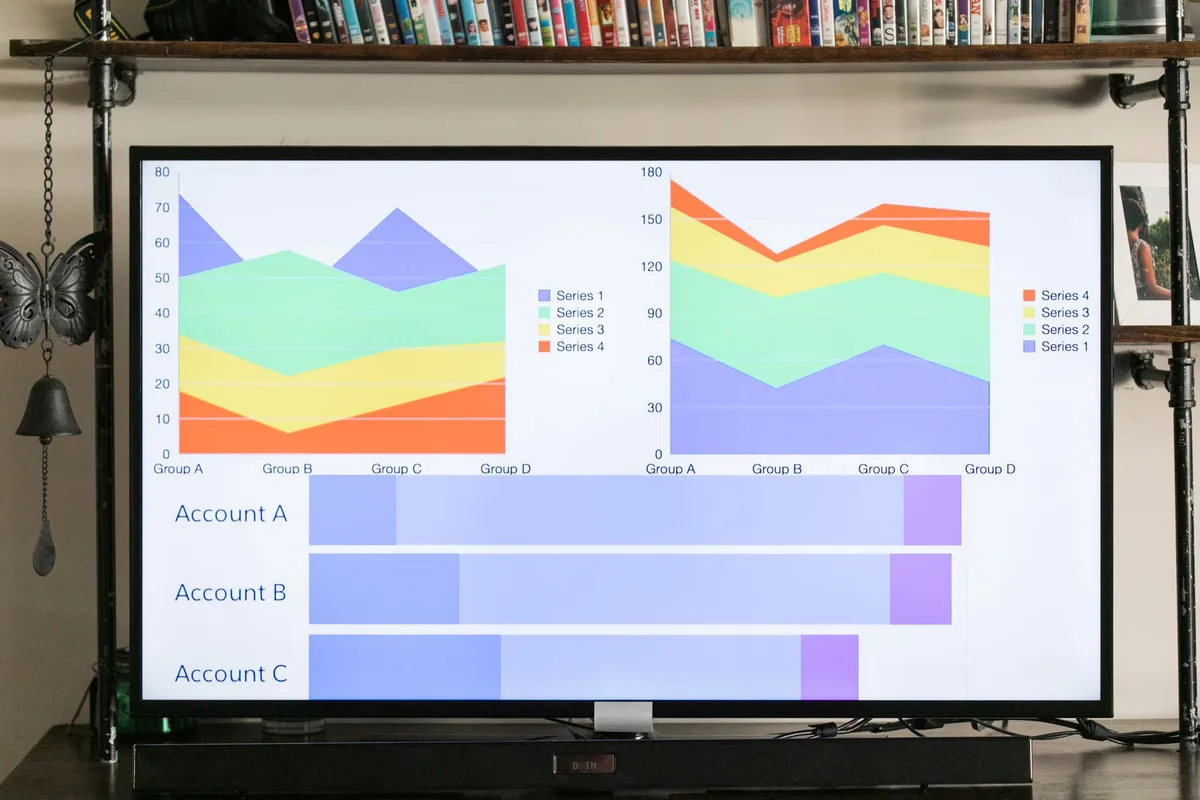
Image source: Pexels / RDNE Stock project (Pexels License)
Performance Perks: Speed and Uptime
Performance is consistently one of Hostinger's strong suits. Manufacturer specifications and independent testing reports indicate that Hostinger's servers are optimized for fast loading times, often using up-to-date hardware and technologies like LiteSpeed web servers on many of their plans.
This focus on speed is critical because website loading time directly impacts user experience and SEO. Slow sites frustrate visitors, leading to higher bounce rates, while search engines like Google also prioritize faster websites. Hostinger aims to provide reliable uptime, typically around 99.9%, ensuring your site is accessible to visitors when they look for it.
GoDaddy's Offering: A Familiar Name with Key Differences
GoDaddy is a widely recognized brand in the web hosting and domain registration space. They offer a broad range of services and cater to a large customer base, from individuals to larger businesses. Their long-standing presence means many people are familiar with their name and offerings.
While GoDaddy provides comprehensive hosting solutions, their approach and features can differ when compared directly to providers like Hostinger. It's beneficial to look at their specific offerings in terms of control panel, performance metrics, and overall value to understand how they stack up for your needs in 2026 and beyond.
GoDaddy's Control Panel History and Current State
GoDaddy has used various control panel solutions over the years. Previously, they relied heavily on cPanel for many of their shared hosting plans, which is a familiar interface for many long-time website owners. More recently, they have been introducing their own updated control panel, aiming for a more modern user experience.
However, user feedback often suggests that GoDaddy's proprietary control panel, while improving, can sometimes feel less intuitive or streamlined compared to more modern, purpose-built interfaces like Hostinger's hPanel. The transition and consistency across different plan types can also be a point of confusion for some users.
Performance and Reliability Metrics
GoDaddy offers various hosting plans, and their performance can vary depending on the specific package chosen. Based on aggregate reviews and manufacturer specifications, their uptime guarantees are generally competitive, often stated as 99.9%. This means they aim to keep your website accessible most of the time.
Website loading speed is another critical factor. While GoDaddy equips its servers with modern technology, detailed performance benchmarks from independent testing show that Hostinger often edges out GoDaddy in raw loading speed, especially on their entry-level and mid-tier plans. This can be attributed to factors like server optimization, CDN integration, and the underlying hardware used.

Image source: Pixabay / analogicus (Pixabay Content License)
Comparing Apples to Apples: A Head-to-Head Breakdown
When you're deciding between two web hosting providers, it's easy to get lost in a sea of technical jargon and marketing promises. That's why breaking down the comparison into clear, understandable categories is so important. We'll look at the hard numbers, the user experience, and what you actually get for your money to see why one might be a better fit than the other for your project in 2026.
Pricing and Renewal Costs: The Real Financial Picture
One of the most significant factors for many users is the cost. Both Hostinger and GoDaddy offer a range of plans, but it's crucial to look beyond the introductory prices. Many hosting providers offer deeply discounted rates for the first term (usually 12, 24, or 36 months), and then the renewal rates kick in.
Research consistently shows Hostinger's renewal rates are generally more affordable than GoDaddy's. GoDaddy is known for having significantly higher renewal prices once your initial promotional period ends. This means that while GoDaddy might seem cheaper upfront on a short-term basis, Hostinger often provides better long-term value due to its more consistent and lower renewal costs.

Image source: Pexels / panumas nikhomkhai (Pexels License)
- Hostinger: Typically offers lower renewal rates, making it more budget-friendly over extended periods.
- GoDaddy: Often has much higher renewal prices after the initial contract, which can surprise users.
- Hidden Fees: Always read the terms of service to understand all potential fees, including add-ons you might not initially need.
Performance Benchmarks: Speed and Uptime on Paper
Website speed and uptime are non-negotiable for a good online experience and SEO. In independent tests and through analysis of aggregate performance data, Hostinger frequently demonstrates superior loading speeds compared to GoDaddy. This is often due to their use of optimized server stacks and global data center presence.
While both providers promise competitive uptime (typically 99.9%), Hostinger's consistent performance in speed tests gives it an edge. Fast loading times reduce bounce rates and improve user satisfaction, which directly benefits your website's visibility and effectiveness.
Ease of Use: Who's Friendlier to Beginners?
For many users, especially those new to website management, ease of use is paramount. Hostinger's hPanel is widely praised for its intuitive design, making it simple to manage domains, emails, files, and applications. Its clean interface and logical organization reduce the intimidation factor often associated with web hosting control panels.
GoDaddy's control panel, while functional, can sometimes present a steeper learning curve. Its interface has evolved over time, and in comparison to Hostinger's modern, purpose-built hPanel, it can feel less streamlined and user-friendly for individuals who are not highly technical.
Customer Support: Getting Help When You Need It
When something goes wrong with your website, prompt and effective customer support is vital. Both Hostinger and GoDaddy offer customer support, often through live chat, email, and phone. However, the quality and responsiveness can vary.
Aggregate user reviews and support ticket analyses suggest that Hostinger's support team is often praised for being knowledgeable and responsive, particularly on live chat. GoDaddy also offers support, but some users have reported longer wait times or more generalized responses in the past. Accessing 24/7 support with quick resolutions is key for minimizing downtime.
Who Should Choose Hostinger?
Hostinger is often the better choice for individuals, bloggers, freelancers, and small to medium-sized businesses looking for a balance of performance, affordability, and ease of use. If you're launching your first website, migrating an existing one, or simply want a cost-effective solution that doesn't skimp on speed and reliability, Hostinger is a strong contender.
Their intuitive hPanel makes managing your hosting straightforward, even if you're not a tech expert. Plus, their competitive pricing extends to renewal rates, making it a smart long-term investment for your online presence. Given their emphasis on speed and good uptime, Hostinger is ideal for sites where fast loading times are a priority for user experience and SEO.
Image source: Pixabay / Firmbee (Pixabay Content License)
- Beginner Website Owners: Easy-to-use hPanel simplifies setup and daily management.
- Budget-Conscious Users: Offers excellent value with low introductory and competitive renewal prices.
- Performance Seekers: Plans are optimized for speed, benefiting SEO and user experience.
- Small to Medium Businesses: Provides scalable options and reliable uptime for professional sites.
When GoDaddy Might Make Sense
There are situations where GoDaddy could be a viable option. If you're already heavily invested in their ecosystem, perhaps with many domains registered through them, consolidating services might seem convenient. Their brand recognition is high, and for some users, that familiarity breeds a sense of trust, even if other providers offer better performance or value.
GoDaddy also has a vast array of services beyond basic hosting, which can be appealing if you want an all-in-one provider for domains, website building, marketing tools, and more. However, it's critical to compare the actual features and costs of these bundled services against specialized providers, as this can often lead to better outcomes and significant savings.
Common Web Hosting Pitfalls to Steer Clear Of
Choosing the wrong hosting can lead to significant headaches, from slow websites to unexpected costs. One common mistake is focusing solely on the lowest introductory price without considering the renewal rates. As we've seen, GoDaddy's renewal prices can jump significantly, making a seemingly cheap plan much more expensive down the line.
Another pitfall is overlooking customer support quality. A provider with slow or unhelpful support can turn a minor issue into a major problem, especially if your website experiences downtime. It's also important to understand scalability, if your site suddenly becomes popular, can your hosting plan easily handle the increased traffic, or will you face performance issues and be forced into an expensive upgrade?
- Price Shock: Forgetting to check renewal rates, leading to unexpected cost increases.
- Underestimating Support: Opting for a provider with poor customer service for critical issues.
- Scalability Issues: Choosing a plan that can't grow with your website's success.
- Security Neglect: Not ensuring the host provides adequate security measures like free SSL and regular backups.
Making Your Decision: The Final Verdict
When weighing Hostinger against GoDaddy for 2026, Hostinger generally emerges as the stronger option for most users. Its combination of competitive pricing, superior website loading speeds, and a user-friendly control panel like hPanel offers a better overall value proposition. The predictable renewal rates also contribute to a more stable long-term budget.
GoDaddy remains a well-known name with a wide range of services, which might appeal to users who prefer consolidating all their online needs with one provider and are comfortable with potentially higher costs. However, for those prioritizing performance, intuitive design, and cost-effectiveness, Hostinger presents a more compelling case in the current market.
Frequently Asked Questions
Why is website speed so important?
Website speed is crucial because slow-loading sites frustrate visitors, leading to higher bounce rates and lower search engine rankings. Faster sites provide a better user experience and are favored by search engines.
How do I migrate my website to a new host?
Website migration typically involves backing up your current site's files and database, then uploading them to your new hosting account. Many hosts, including Hostinger, offer free migration services to help with this process.
What is a Control Panel in web hosting?
A control panel is a web-based interface that allows you to manage your hosting account. It provides tools for tasks like managing files, creating email accounts, setting up databases, and installing applications.
Is shared hosting enough for a small business?
Yes, shared hosting is often sufficient for most small businesses, especially those with moderate website traffic. It's cost-effective and provides the necessary resources for a functional online presence.